
Top 10 Mediterranean Foods to Support Immunity
Immune health is not built overnight, and it does not come from one food or supplement. Research consistently shows that overall diet quality plays a major role in how well the immune system functions

Winter has a way of making everyone think about their immune system.
Someone at work is sick. A grandchild comes home with a cold. You hear more coughing in the grocery store than usual. And suddenly, questions start popping up.
“Should I be taking something?”
“Am I doing enough?”
“Is there anything I should be eating right now?”
Immune health is not built overnight, and it does not come from one food or supplement. Research consistently shows that overall diet quality plays a major role in how well the immune system functions, especially patterns rich in plants, fiber, antioxidants, and healthy fats.
The Mediterranean diet naturally includes many foods that support immune function by reducing inflammation, supporting gut health, and providing key nutrients involved in immune response.
Below are ten Mediterranean-friendly foods that can help support immunity when included regularly, especially during colder months.
1. Leafy Greens
Leafy greens like spinach, arugula, and kale provide vitamins A and C, along with antioxidants that support immune cell development and function. Vitamin A, in particular, plays a role in maintaining the body’s first line of defense, including the skin and mucosal barriers.
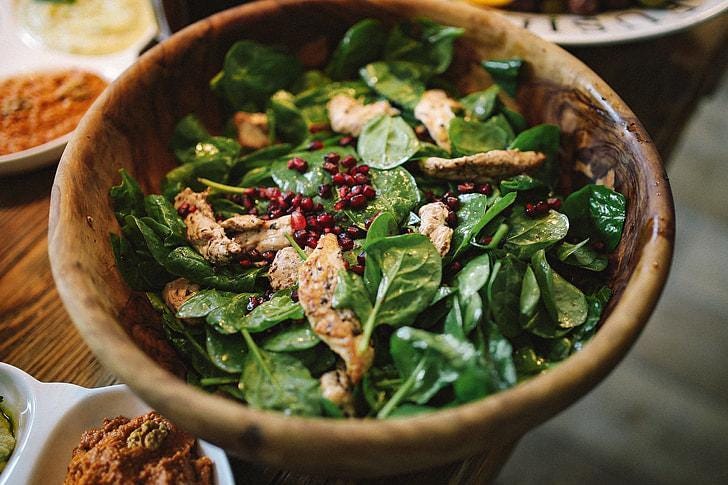
Try it in this recipe: Strawberry Spinach Salad Bento
2. Citrus Fruits
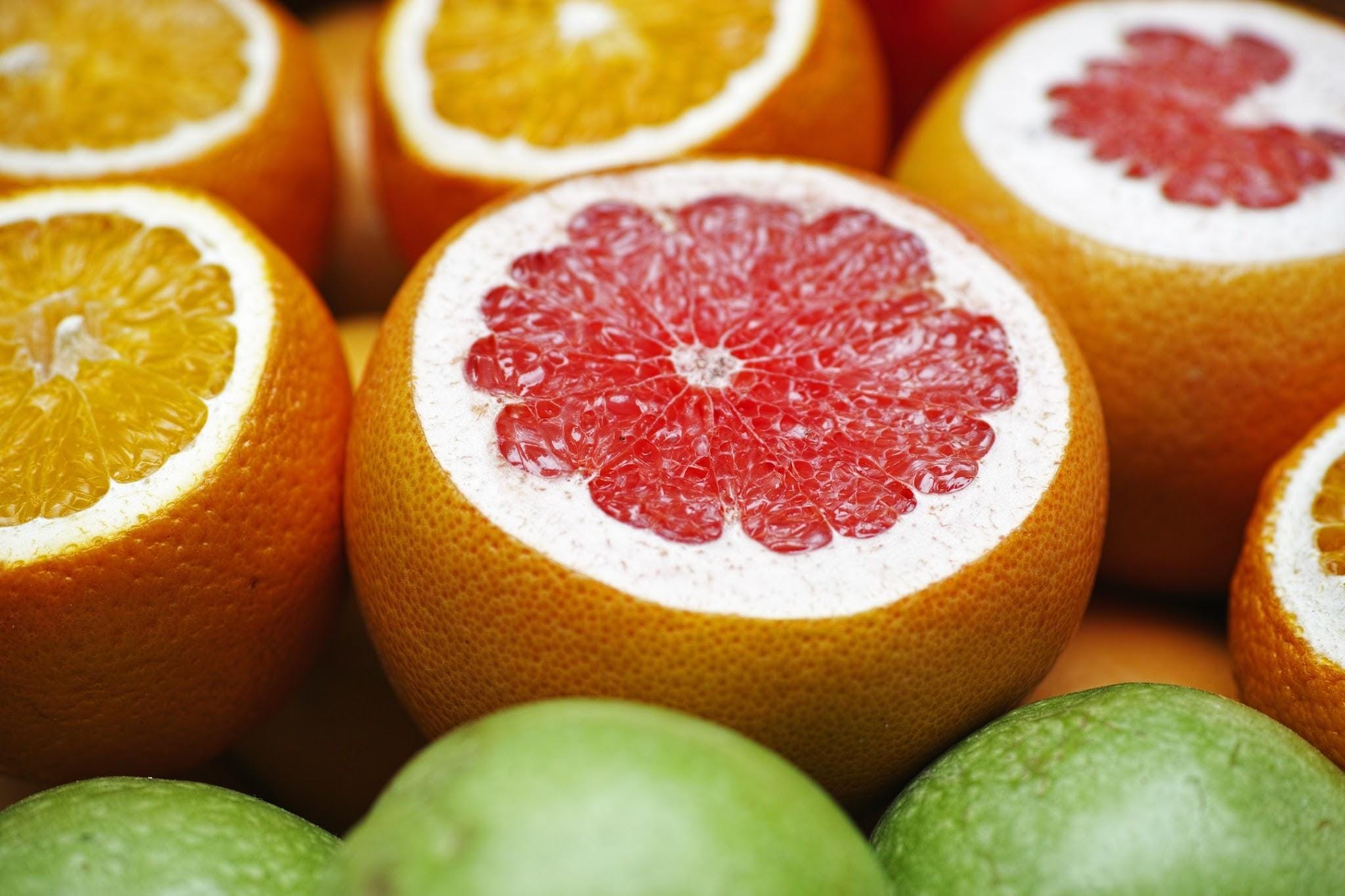
Citrus fruits such as oranges, lemons, and grapefruits are well-known sources of vitamin C. Vitamin C has been shown to support immune defense by contributing to the function of various immune cells and helping protect against oxidative stress.
Try it in this recipe: Tangerine Shrimp
3. Berries

Berries are rich in polyphenols and antioxidants that help reduce oxidative stress and inflammation. Chronic inflammation can interfere with immune function, making antioxidant-rich foods an important part of immune-supportive eating patterns.
Try it in this recipe: Kefir Overnight Oats with Berries, Coconut and Chia Seeds
4. Garlic
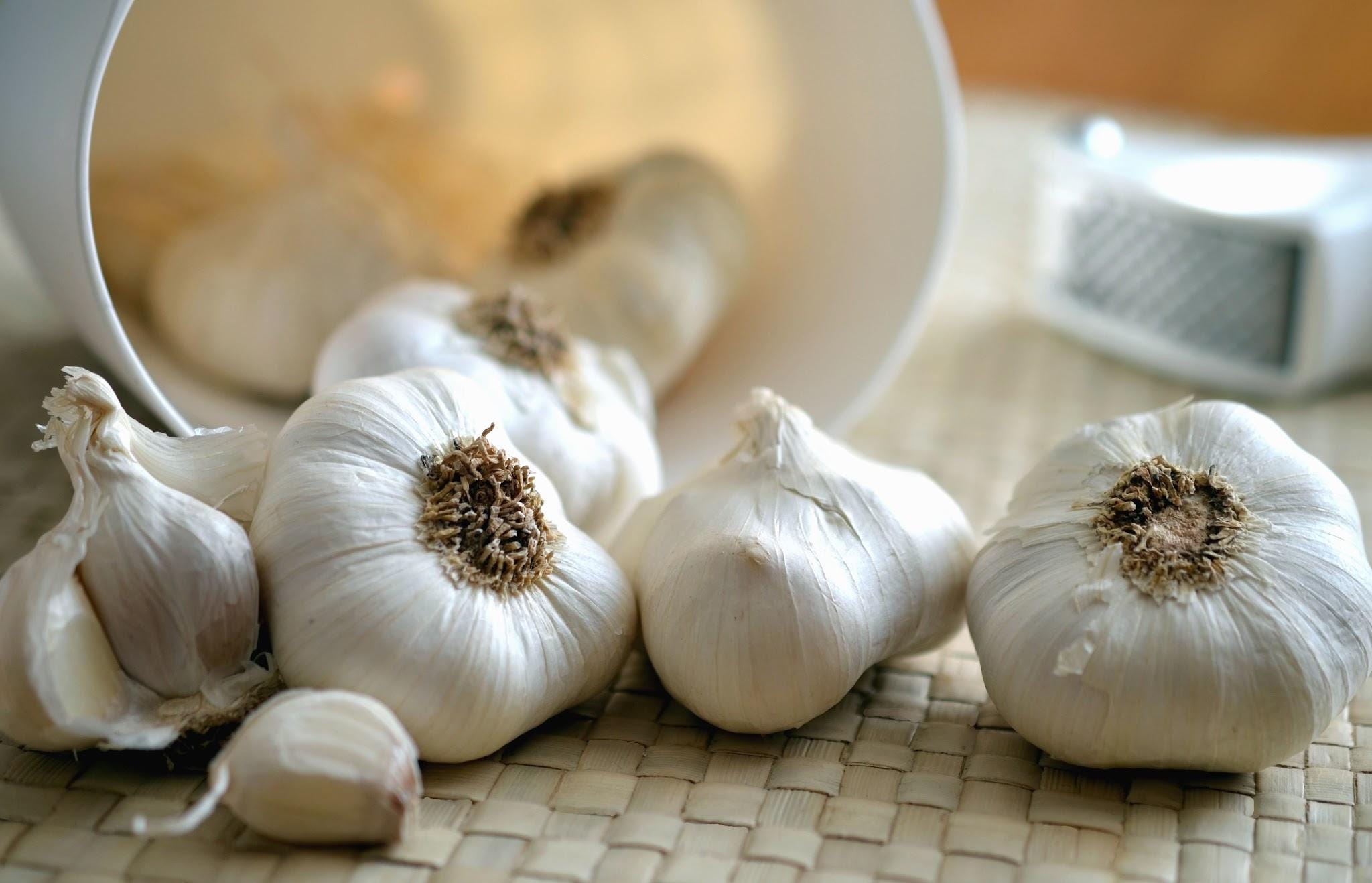
Garlic contains sulfur-containing compounds, including allicin, which have been studied for their role in immune support. Research suggests garlic may help support immune response when consumed regularly as part of the diet.
Try it in this recipe: Garlic-Herb Roasted Chicken with Delicata Squash and Grapes
5. Onions
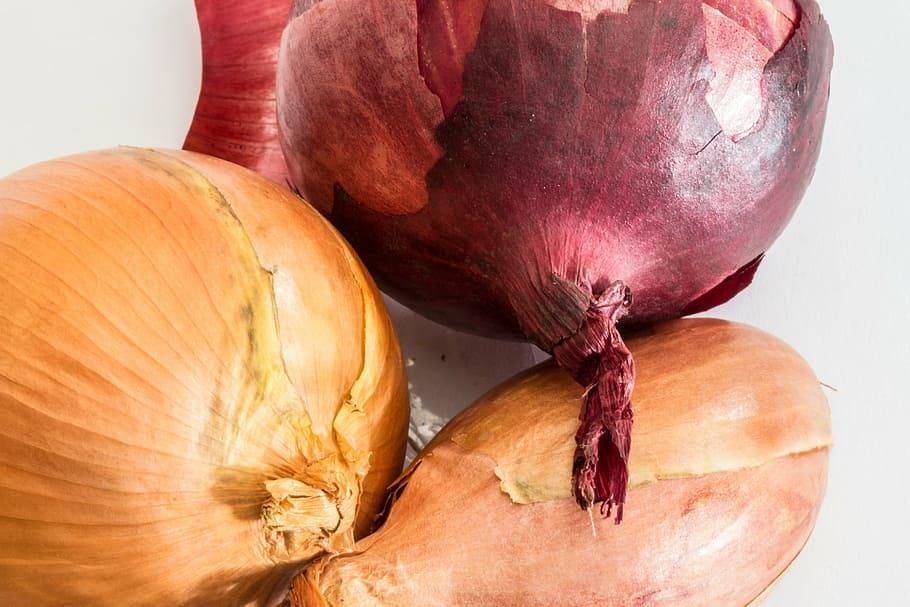
Onions provide antioxidants and prebiotic fibers that support gut health. Since a large portion of the immune system is connected to the gut, supporting a healthy gut environment is an important part of immune health.
Try it in this recipe: Sun-dried Tomato and Feta Turkey Burgers with Roaster Balsamic Onions
6. Yogurt and Fermented Foods
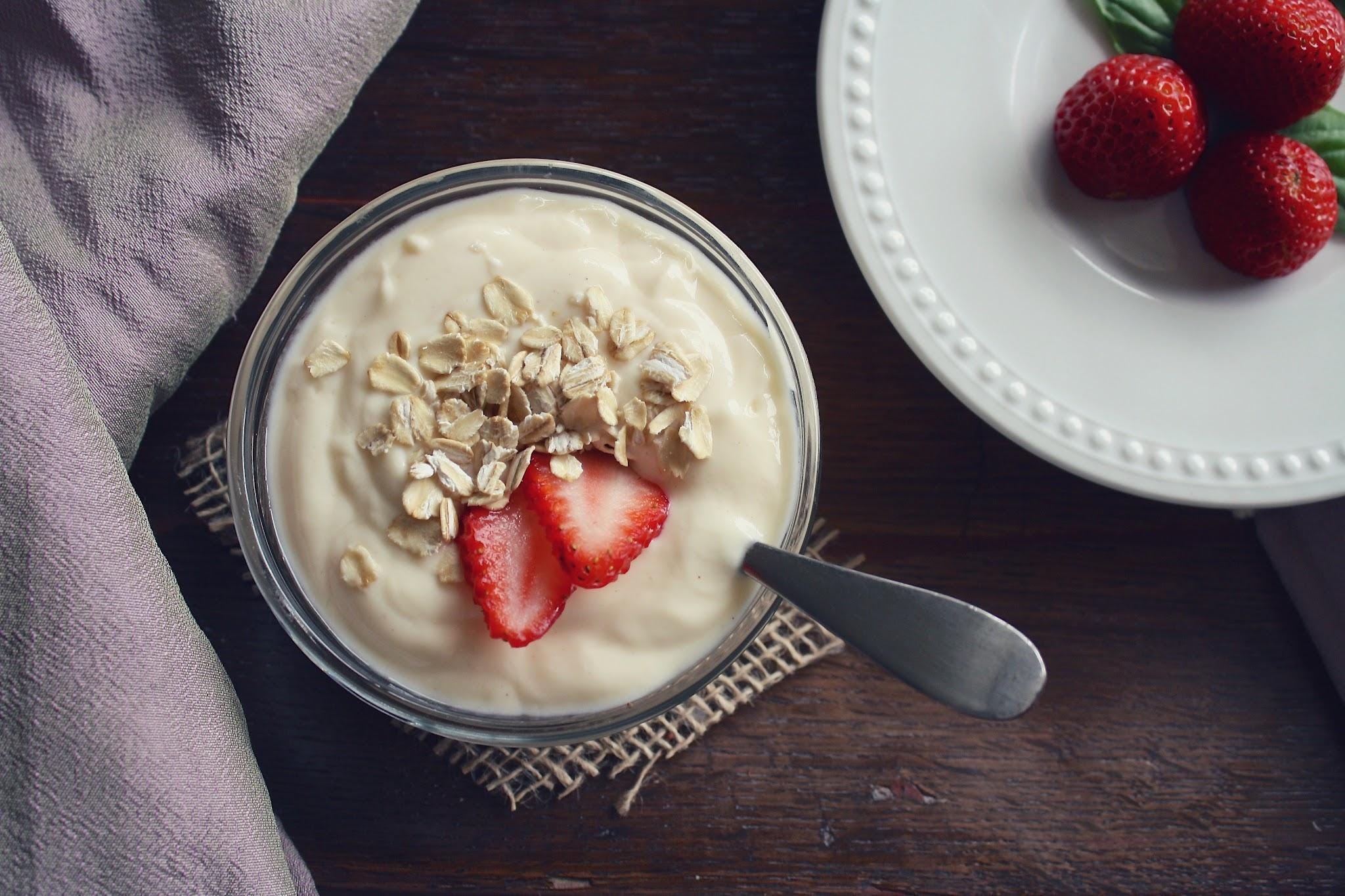
Fermented foods like yogurt provide beneficial bacteria that support the gut microbiome. Studies have shown that a healthy gut microbiome plays a role in immune regulation and defense. Choose plain, unsweetened options to avoid excess added sugars.
Try it in this recipe: Greek Turkey Meatballs with Couscous and Dill Yogurt Sauce
7. Extra Virgin Olive Oil
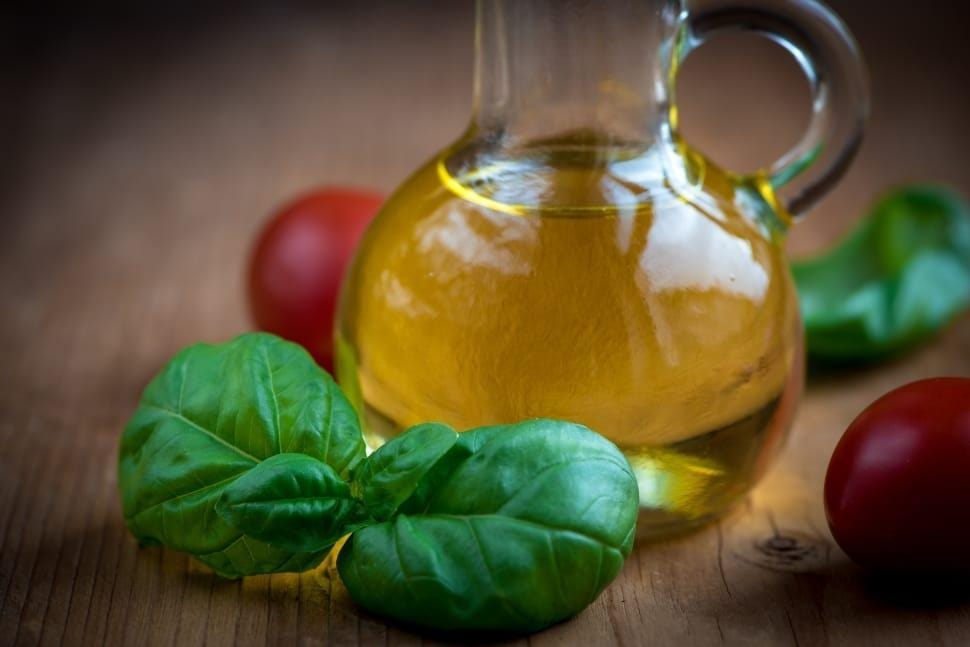
Olive oil is rich in monounsaturated fats and polyphenols that have anti-inflammatory properties. Chronic inflammation can impair immune function, making olive oil a key component of immune-supportive Mediterranean eating.
Try it in this recipe: Olive Oil Yogurt Bundt Cake
8. Nuts and Seeds
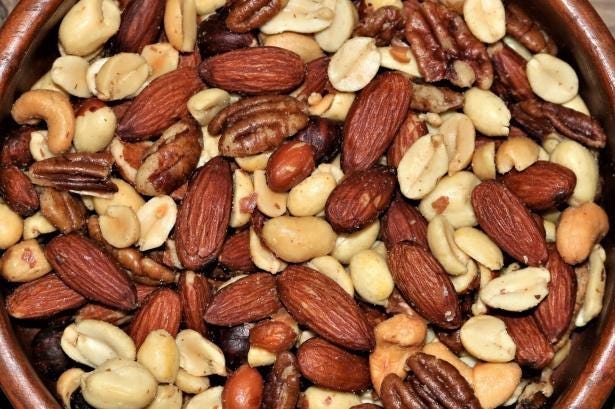
Nuts and seeds provide nutrients such as zinc and vitamin E, both of which play roles in immune health. Zinc is involved in immune cell development, while vitamin E acts as an antioxidant.
Try it in this recipe: Freekeh Salad with Butternut Squash, Walnuts, and Raisins
9. Legumes
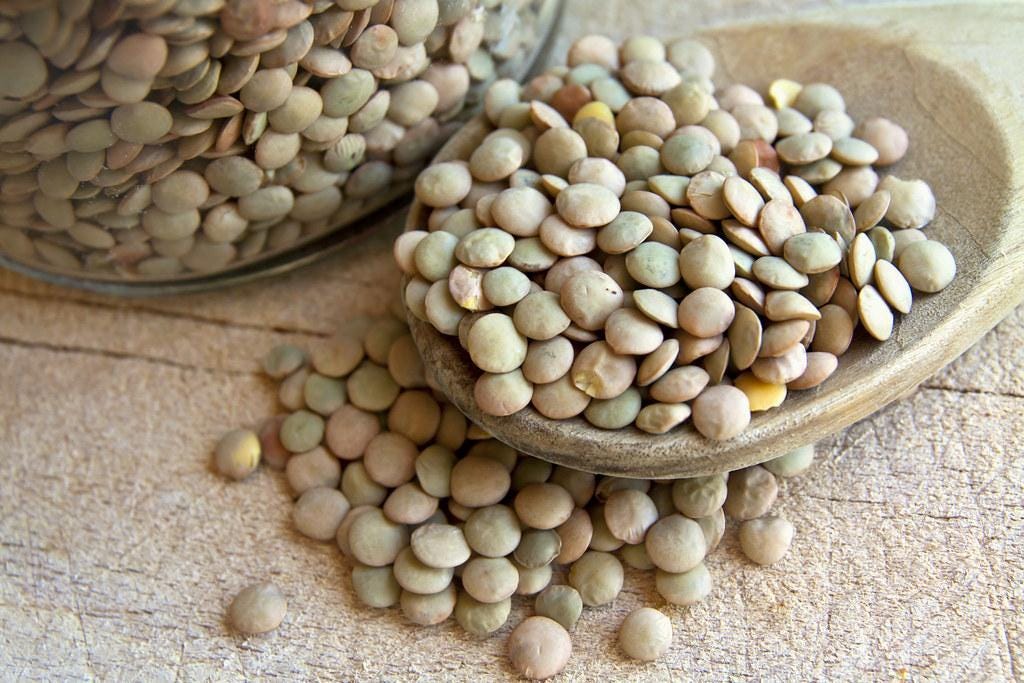
Beans, lentils, and chickpeas provide fiber, plant-based protein, iron, and zinc. The fiber in legumes supports gut health, which in turn supports immune function.
Try it in this recipe: Quick and Easy Three Bean Chili
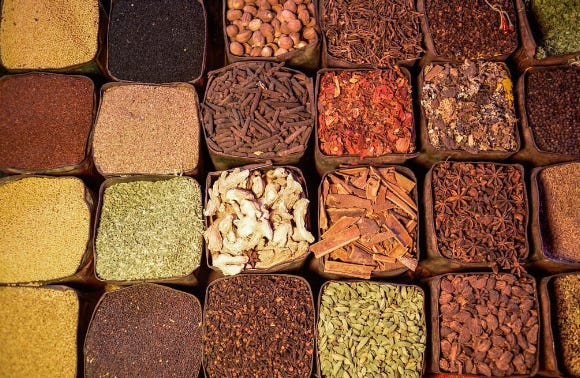
10. Herbs and Spices
Herbs and spices like turmeric, ginger, oregano, and rosemary contain bioactive compounds with antioxidant and anti-inflammatory properties. They add flavor while contributing additional immune-supportive compounds.
Try it in this recipe: Mediterranean Turkey Skillet with Zucchini & Herbs
A Final Note on Immune Health
No single food can prevent illness, but dietary patterns rich in whole, plant-forward foods are consistently associated with better immune function and overall health. Including a variety of these Mediterranean staples regularly helps provide the nutrients your body relies on to function well, especially during the winter months.
This type of food-first, evidence-informed approach is what we continue to build on inside Fully Mediterranean, where the focus is on sustainable habits rather than quick fixes.
Small, consistent choices matter.